Stay Compliant with Voltage and Appliance Testing
In today's world, ensuring the safety and compliance of electrical appliances is more crucial than ever. With the increasing reliance on technology in our daily lives, the importance of voltage and appliance testing cannot be overstated. This blog post will guide you through the essentials of staying compliant with voltage and appliance testing, helping you understand its significance, the processes involved, and how to implement effective testing strategies.

Understanding Voltage and Appliance Testing
Voltage and appliance testing involves checking electrical devices to ensure they operate safely within specified voltage limits. This process is vital for preventing electrical hazards, ensuring compliance with regulations, and maintaining the longevity of appliances.
Why is Voltage Testing Important?
Voltage testing is essential for several reasons:
Safety: It helps identify potential electrical hazards that could lead to fires or electrocution.
Compliance: Many industries are required to adhere to specific safety standards and regulations.
Performance: Regular testing can help maintain the efficiency and performance of electrical appliances.
Key Regulations and Standards
Different regions have various regulations governing electrical safety. Familiarizing yourself with these standards is crucial for compliance. Some of the key regulations include:
National Electrical Code (NEC): This code outlines the safe installation of electrical wiring and equipment in the United States.
International Electrotechnical Commission (IEC): This organization develops international standards for electrical and electronic devices.
Occupational Safety and Health Administration (OSHA): OSHA sets and enforces standards to ensure safe working conditions.
The Testing Process
Understanding the testing process is vital for anyone responsible for electrical safety. Here’s a breakdown of the steps involved in voltage and appliance testing:
Step 1: Visual Inspection
Before any testing is done, a thorough visual inspection of the appliance should be conducted. Look for:
Signs of wear and tear
Damaged cords or plugs
Loose connections
Step 2: Insulation Resistance Testing
This test checks the insulation of the appliance to ensure it is not faulty. A megohmmeter is typically used for this purpose. The insulation resistance should be above a certain threshold, usually 1 MΩ or higher.
Step 3: Earth Continuity Testing
This test ensures that the earth connection is intact. It is crucial for preventing electric shock. A continuity tester is used to check the resistance of the earth connection, which should be minimal.
Step 4: Functional Testing
This step involves operating the appliance to ensure it functions correctly. Check for:
Proper operation of controls
Absence of unusual noises or smells
Correct voltage output
Step 5: Documentation
After testing, it is essential to document the results. This documentation serves as proof of compliance and can be useful for future reference.
Best Practices for Compliance
To ensure compliance with voltage and appliance testing, consider implementing the following best practices:
Regular Testing Schedule
Establish a regular testing schedule based on the type of appliances and their usage. High-use appliances may require more frequent testing.
Train Staff
Ensure that staff responsible for testing are adequately trained. They should understand the testing process and the importance of compliance.
Use Quality Equipment
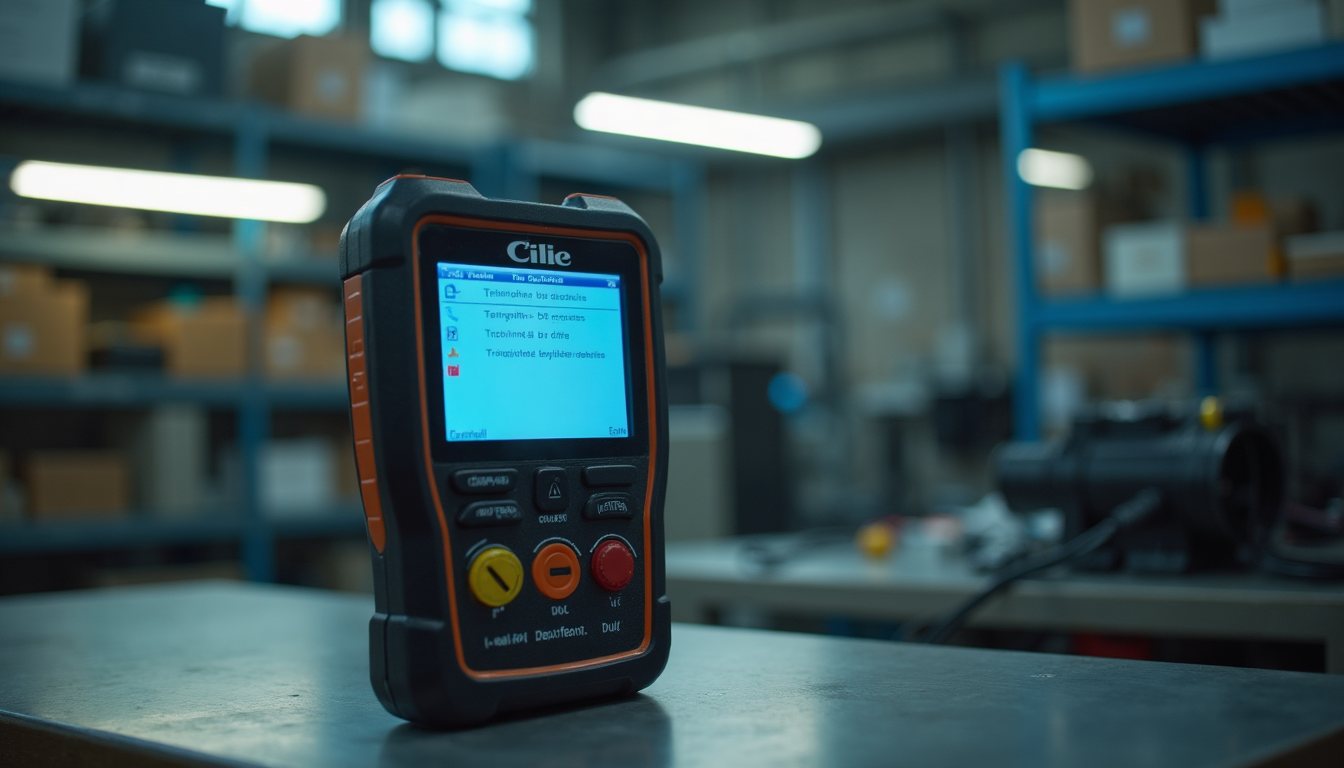
Invest in high-quality testing equipment. Reliable tools will provide accurate results and enhance safety.
Stay Updated on Regulations
Regularly review and stay informed about changes in regulations and standards. This will help you maintain compliance and ensure safety.
Common Mistakes to Avoid
While conducting voltage and appliance testing, be aware of common pitfalls that can compromise safety and compliance:
Skipping Visual Inspections
Neglecting visual inspections can lead to overlooking obvious hazards. Always start with a thorough check.
Inconsistent Testing
Inconsistent testing can result in missed issues. Stick to a regular schedule to ensure all appliances are tested appropriately.
Ignoring Documentation
Failing to document testing results can lead to compliance issues. Keep detailed records of all tests conducted.
Conclusion
Staying compliant with voltage and appliance testing is not just a regulatory requirement; it is a fundamental aspect of ensuring safety in any environment that uses electrical appliances. By understanding the testing process, implementing best practices, and avoiding common mistakes, you can significantly reduce the risk of electrical hazards.
Take action today by reviewing your current testing procedures and ensuring that your appliances are safe and compliant. Regular testing not only protects individuals but also enhances the reliability and longevity of your electrical devices.
Comments